







WWF Urges Action at COP30 to Revive Paris Agreement Momentum
X/ @WENewsEnglish
November 10, 2025 Hour: 9:35 am
🔗 Comparte este artículo
Currently, National Climate Action plans remain insufficient and financial commitments are weak.
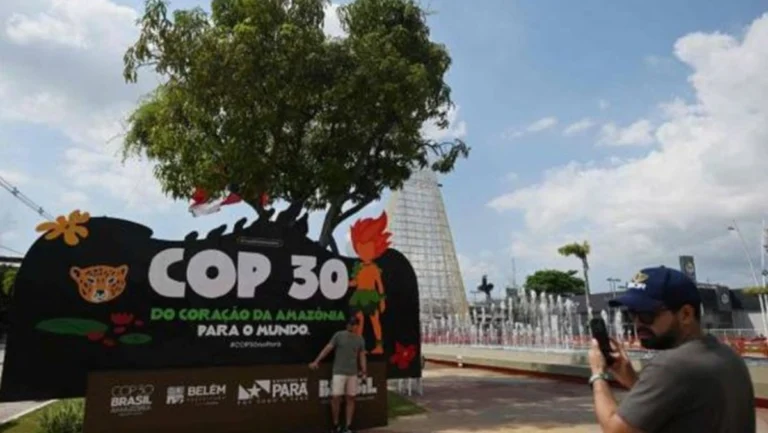
On Monday, the World Wide Fund for Nature (WWF) called for urgent action at the United Nations Climate Summit (COP30) to turn climate negotiations into ambitious measures that can restore the momentum of the Paris Agreement.
RELATED:
Cuba denounces impact of the U.S. blockade on climate change before COP30
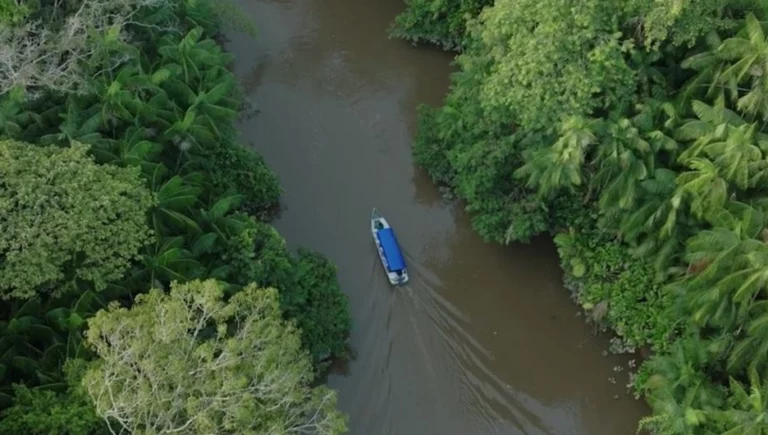
Ahead of the summit, which gathers representatives from about 170 countries in the Brazilian Amazon, WWF warned that national climate action plans (NDCs) “remain insufficient and that financial commitments are weak.”
Even so, the organization faces the meeting “with optimism and hope” that the momentum of the Paris Agreement can be regained and that the “Brazilian presidency will help transform global climate negotiations into a clear roadmap for resilience, equity, and a just energy transition.”
WWF also hopes that countries—especially those in the G20, which contribute about 80% of global greenhouse gas emissions—“will present stronger national climate action plans.”
“Time is running out, but we still have options. COP30 must be remembered as the COP of implementation,” said Mar Asuncion, head of WWF Spain’s Climate and Energy Program.
“At this summit, we want to see urgent and ambitious measures agreed upon, with G20 countries leading the way. We want a safer and fairer future. Sustaining the goal of limiting global warming to 1.5 degrees Celsius requires transformative decisions, multilateral cooperation, and climate justice in Belem,” she added.
It has been a decade since 195 countries adopted the Paris Agreement, and while progress has been made, “it has not been fast or ambitious enough,” WWF said. Countries have made commitments, “but a gap remains between the promises made—and even less those fulfilled—and what science demands. COP30 must be the moment we begin to close these gaps.”
A “crucial point” on the agenda is strengthening national climate action plans (NDCs). Countries faced a February 2025 deadline to submit their new contributions for 2035, but by mid-October only 62 had done so.
WWF proposed several actions to close the mitigation gap, such as setting a timeline for the fair and gradual phase-out of fossil fuels, and addressing the financial gap by eliminating fossil fuel subsidies and redirecting funds toward sustainable energy and resilience.
The organization also called for increasing public climate financing and unlocking private climate funding by reducing risk and incentivizing private investment in climate solutions.
WWF noted that public climate financing reached US$90 billion in 2024, “far below” the US$300 billion needed annually, and that “funds for nature, which play a crucial role in climate solutions, are no exception.” Several reports conclude that global conservation efforts face an annual funding shortfall of $900 billion, leaving essential environmental projects without the resources they need.
teleSUR/ JF
Source: EFE – WFF